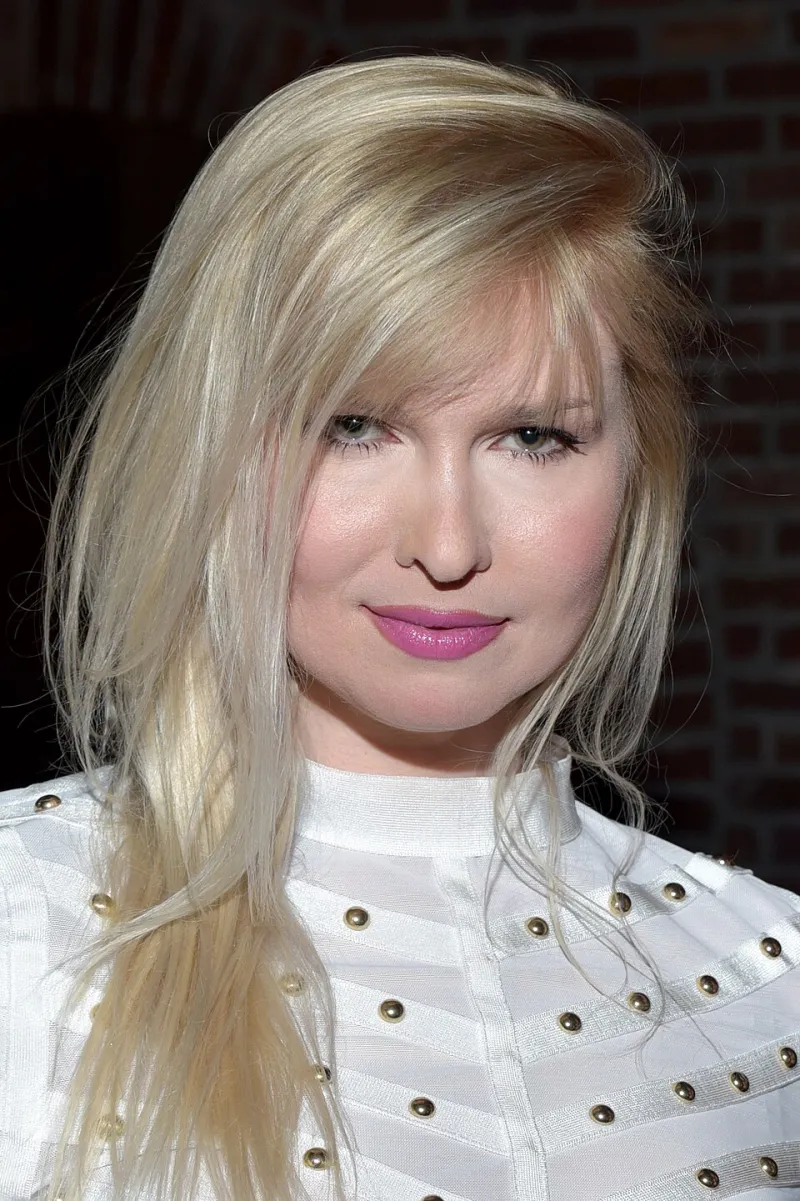
The Itch Without the Scissors: Small Moves That Make a Familiar Cut Feel New
Photo: Jean-Antoine Watteau, CC0, via Wikimedia Commons
There is a particular kind of hair fatigue that shows up mid-cycle. Nothing is wrong, exactly. Your cut still works. Your color is fine. You can leave the house without a crisis. And yet, every time you pass a mirror, you feel a little bored by the rerun.
That feeling gets a bad reputation. People treat it like a warning light that only a major appointment can switch off—usually a big chop, a dramatic color shift, or both. But boredom is not the same as breakage. It is not proof that your shape has failed you. Often, it is just a sign that your styling routine has become a little too predictable.
At Naomi & Company Hair Design, we are all for a real change when a real change is needed. We are also all for not using scissors as a cure for a styling rut. Here is how to read the signal, and what to try before anyone reaches for the dramatic option.
Boredom Versus a Bad Match
Start with a simple question: does the cut work when you style it the way you actually live?
If your hair falls into place on a normal Tuesday, if the shape holds up with your usual part, your usual products, and your usual amount of effort, you are probably dealing with boredom—not a mismatch. Boredom says, “I have seen this before.” A mismatch says, “I am fighting this before 9 a.m.”
A true shape problem tends to show up in specific places. Maybe the perimeter feels too heavy for your face shape. Maybe the layers collapse without round-brush work you never signed up for. Maybe the back grows into a shape you do not recognize two weeks after a trim. Maybe your cowlick has become the main character. Those are design conversations. They deserve a proper salon visit, not a workaround.
Boredom is different. Boredom is when the cut is doing its job, but your styling is doing the same thing every day. The shape is fine. The routine is tired. That distinction matters, because one calls for a new blueprint and the other calls for a little creative friction.
Change the Part, Change the Read
Before you change the haircut, change the map. Part placement quietly rewrites how a shape reads. A center part can make a cut feel sharper and more symmetrical. A deep side part can add softness, volume, and a little old-school polish. Even a small shift—half an inch to the left, a little more diagonal—can make the same cut look like it belongs to a different person.
Give it a real test. Try the new part on a day when you are not rushing, use your usual products, and see where the hair wants to fall. If it fights you for 20 minutes and then settles, that is useful information. If it never settles, that is also useful—just not the kind you force. The goal is not to create a new daily battle. The goal is to see whether your current cut has a second setting you have not been using.
Styling Is a Volume Knob, Not a Switch
Most people have two hair settings: done and not done. A familiar cut starts to feel boring when those are the only options. Try adding a middle setting.
A little more texture at the ends can make a polished cut feel less formal. A smoother finish can make the same cut feel more intentional. A slightly deeper side sweep, a tucked side, or a little lift at the root can change the silhouette without changing the shape. You are not learning a new language. You are adjusting the volume.
This is also where temporary styling earns its keep. Hot rollers, a diffuser, a quick pass with a flat iron, or even a different drying direction can give you a preview of a different mood. None of it is permanent. That is the point. You get to audition the change before you commit to it.
Gloss Is a Low-Stakes Reset
Sometimes the issue is not the cut at all. It is the finish. Hair that has gone a little flat, a little dull, or a little uneven in tone can make even a great shape feel stale. A gloss is one of the most useful middle-ground appointments in the salon: it refreshes shine, can subtly adjust tone, and gives the hair a cleaner, more polished surface without touching the cut.
Think of it as a reset for the way light moves through your hair. It will not give you a completely new identity, and it is not supposed to. It simply makes the current look read as deliberate again. For a lot of clients, that is enough to quiet the itch for a few more weeks.
Let Accessories Do Some of the Work
A haircut does not have to carry the entire look. Accessories are the easiest way to shift a familiar shape without changing a single strand. A claw clip placed lower or higher changes the proportion. A headband can make a simple cut feel more styled. A clean ponytail with a little face-framing out front can read as a completely different intention.
The trick is to choose accessories that match the cut’s weight and finish. A delicate clip can disappear in a heavy, blunt shape. A chunky accessory can overwhelm fine hair. Look for contrast where you want emphasis and restraint where you want polish. This is not about piling on. It is about giving the eye a new place to land.
Make the Salon Conversation Smarter
When you do book the appointment, do not lead with “I need a change.” Lead with what you are actually tired of. Are you bored by the front? The back? The way it falls on day two? The amount of styling it requires? Specific language gives your stylist something to work with.
Ask for a styling lesson instead of a new shape. Ask what a gloss would do for your current color. Ask whether a small adjustment—a little more texture, a slightly different perimeter—would scratch the itch without changing the whole blueprint. A good salon conversation can save you from a decision you did not actually want to make.
Boredom is not a hair emergency. It is a signal to pay attention. Sometimes the answer is a new cut. Often, it is a new part, a different finish, a gloss, or a smarter accessory. Give those small moves a fair chance. A familiar cut with a fresh point of view can feel surprisingly new—and you get to keep the shape that was already working for you.