The Daily Collab: Helping Your Haircut Get Along With Glasses, Earrings, and Necklines

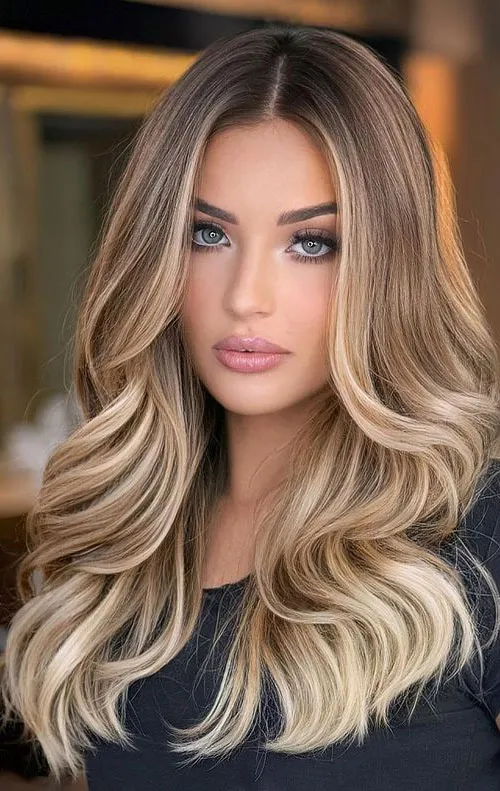
Photo: Shixart1985, CC BY 2.0, via Wikimedia Commons
A haircut does not live on a mannequin. It lives next to your glasses, under the earrings you reach for on a Tuesday, and above the neckline of the sweater you actually wear. That is why a cut can look perfect in the chair and slightly off in your bathroom mirror: the hair is fine, but the supporting cast has not been considered.
The good news is that this is not about changing everything. It is about helping your hair, frames, jewelry, and clothes share the same sentence. A few deliberate adjustments on both sides of the mirror can make the whole look feel more intentional.
Start With the Frames, Not Just the Face
Glasses are architecture. They sit on your temples, rest behind your ears, and create lines across your face. Hair around the ears and temples has to negotiate with all of that. If you have thick frames and a lot of volume at the hinge of your glasses, the area can read as crowded even when the cut itself is clean.
A stylist can help by softening weight around the temples, keeping the hair behind the ear on one side, or adjusting a fringe so it does not fight the top of the frame. Bold glasses often pair well with a lighter fringe or a slightly swept bang. Thin, minimal frames can handle a stronger fringe or more texture near the face because there is less visual competition.
Part placement matters here too. A side part can open up one temple and give your glasses room to breathe. A center part can be striking, but it may push more hair toward the frame on both sides. Neither is wrong. The point is to decide which effect you want instead of letting the two elements argue.
Bring your actual glasses to your next appointment. A photo helps, but the real frames tell your stylist how the arms sit, how much space exists behind the ear, and where the hair needs to fall.
Earrings Need Room to Breathe
Earrings and hair are often competing for the same real estate. A chin-length bob with large hoops can get tangled or visually swallowed. Long hair worn down with statement earrings can hide the very thing you put on. The fix is usually about creating a little negative space.
If the earrings are the headline, move the hair away from the face. Tuck one side behind the ear, try a low pony, or ask for a cut that can be styled half-up without losing its shape. If the hair is the headline, keep the earrings smaller and let the cut do the talking. This is not a rigid rule, just a way to keep the look from feeling noisy.
Short cuts have their own math. A pixie or a short crop can show off bold earrings beautifully, but the hair around the ear still needs to be shaped so it does not poke through or cover the jewelry. At the consultation, wear a pair of earrings you actually love. It sounds small, but it helps your stylist see how the cut will function in real life.
Necklines Are the Third Player
Most people think about face shape when choosing a haircut, which is useful. But necklines are just as practical. A collarbone-length cut can look airy with a V-neck and heavy with a turtleneck. A long bob can be elegant with a crew neck, but it may bunch at the shoulders if the hair is thick and the sweater is high.
Look at the tops you wear most often. If you live in turtlenecks from November through March, ask for a shape that can be tucked or pulled back without losing its line. If you prefer open necklines, a length that hits at the collarbone or just below can show off the neck and keep the outfit from feeling top-heavy.
This is also where styling moves matter. A low bun, a half-up style, or a simple side tuck can open the neckline without requiring a new cut. The goal is not to match every outfit. It is to have two or three reliable ways to wear your hair that work with the clothes you already own.
The Consultation Brings the Whole Picture
A good salon consultation is not just about hair texture and face shape. It is about your daily routine, and that includes accessories. Tell your stylist if you wear glasses every day. Bring the frames. Wear earrings that represent what you like. Show a photo of a neckline you wear often, or wear the top itself.
Ask questions that connect the cut to the rest of your look: Will this fringe sit above my glasses or push into them? Can I tuck this side back without the cut collapsing? Does this length work with a high neckline, or will I need to wear it up? These are not fussy questions. They are the difference between a cut that looks good for an hour and one that works for a week.
At Naomi & Company Hair Design, we would rather see the whole picture than guess at it. The best signature looks are not built in isolation. They are built around the person who has to wear them to work, to dinner, and to the school pickup line.
Small Moves That Make a Big Difference
You do not need a dramatic overhaul to get hair and accessories cooperating. Tuck one side behind the ear to show off a frame and an earring at the same time. Use a small amount of styling cream to smooth temple hair so it does not frizz against the glasses. If bangs and frames are fighting, ask for a curtain bang or a slightly shorter fringe that clears the top of the frame. For high necklines, try a low bun or a half-up style before you decide the cut is the problem.
A polished look is rarely one perfect element. It is a system: the cut, the frames, the earrings, the neckline, all speaking at a reasonable volume. When they support each other, you stop thinking about them. That is the point.