Beyond Clean: Building a Hair Fragrance That Reads as Intentional
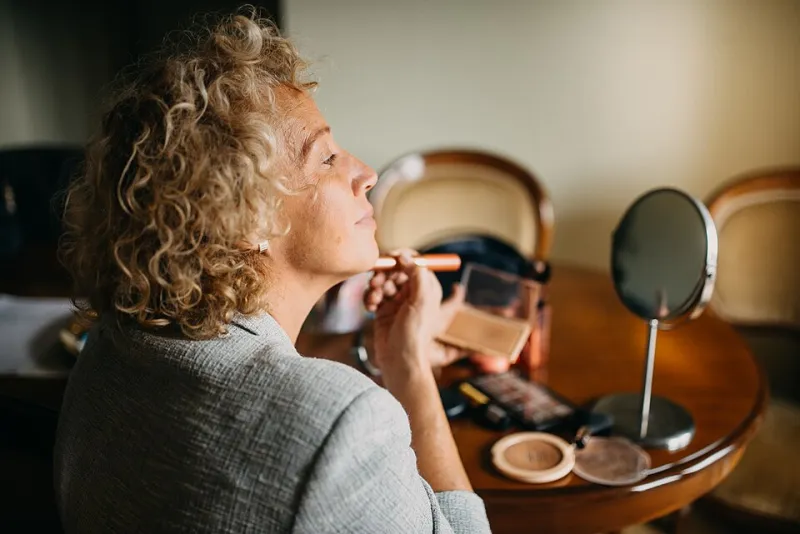
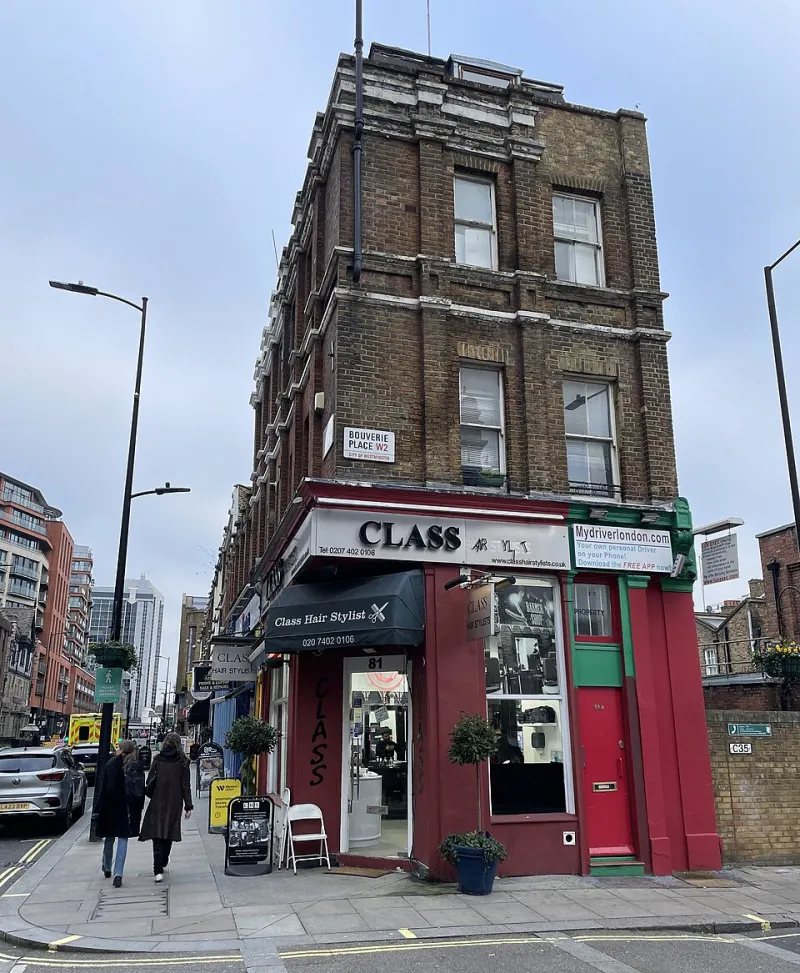
Photo: Shixart1985, CC BY 2.0, via Wikimedia Commons
You can walk out of the salon with a shape that photographs beautifully, color that catches the light in a parking lot, and ends that still look sharp three weeks later—and then someone hugs you and the whole impression gets rewritten by a cloud of something sweet and vaguely tropical. Scent is the detail nobody plans for, and it's the one people remember. At Naomi & Company we think of it the same way we think of a good blowout: not the point of the look, but the thing that makes the look land.
Start With What's Already in the Shower
Before you buy a single "hair perfume," take stock. Most people are already layering four or five scented products without realizing it, and the muddle is usually the problem. Pull everything off the shelf—shampoo, conditioner, mask, leave-in, serum, heat protectant, dry shampoo, styling cream—and smell them side by side.
A few ground rules from behind the chair:
- Shampoo scent is mostly theater. It rinses out. Buy it for how it treats your scalp and strands, not for how it smells in the shower.
- Conditioner and masks leave a trace. That faint coconut or fig lingers, especially on porous or color-treated hair.
- Leave-ins and serums are the workhorses. They sit on the hair all day, so their fragrance is the one that actually shows up.
- Heat protectant is often the loudest bottle on the shelf. Check before you mist half a head with it.
- Dry shampoo is the wild card. It's a top-note product, it goes at the roots, and it competes with everything you put on afterward.
Sort what you own into rough families—citrus, floral, clean-musk, woody, gourmand. You don't need everything to match, but you want a through-line. A light citrus serum under a clean musk cream is a nice conversation. A heavy vanilla mask under a sharp grapefruit finishing mist is two people talking over each other.
The Layers That Actually Stay
Think in terms of staying power rather than strength. Shampoo is gone in ninety seconds. Conditioner leaves a whisper. Leave-in, serum, and oil are the ones that carry a scent past lunch. A finishing mist or hair perfume is the top layer—it's what people catch when you move, which is exactly why it should be the lightest thing you apply, not the heaviest.
If you're building a routine from scratch, pick two anchors in the same family and one accent. For example: a clean-musk leave-in, an unscented or lightly citrus heat protectant, and a soft woody finishing mist at the nape. That's a full composition without an argument.
Where to Put It, and Where Not To
Placement matters more than concentration. Roots and scalp are warm, they produce oil, and they sit under heat—scent turns faster there and can go sharp by late afternoon. Keep fragrance on mid-lengths and ends, and use the nape as your accent zone. It holds product well and releases scent when you turn your head, which is precisely the moment you want it.
A practical application: one or two pumps into your palm, rubbed between your hands, worked through the lower half of the hair, then brushed to distribute. For a mist, hold it eight to ten inches away and spray in a sweep, not a direct hit. Don't spray onto a hot curling iron or a flat iron—you'll cook the fragrance and get a burnt-sugar note nobody asked for. And skip the car re-spray with the windows up; that's how a subtle detail becomes a rolling diffuser.
What to Ask at the Salon
Salon services have their own scent story. Color, gloss, smoothing treatments, and even the towel and cape can carry a fragrance that lingers for a day or two. If you're sensitive, or if you have an event that night, say so when you book. We can usually adjust what we finish with—an unscented leave-in instead of a scented one, a lighter mist, or no finishing spray at all.
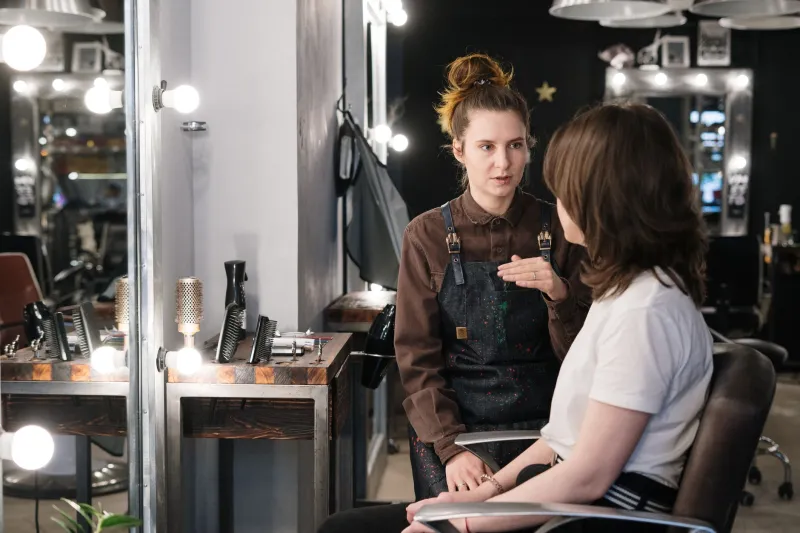
It also helps to tell your stylist what you're building. If you're committed to a soft amber for fall, we'd rather not send you out under a bright green-apple finishing spray that fights it for six hours. Bring the bottle, or just describe it. We're used to the question and we'd rather answer it before the blowout than after.
The Subtlety Test
A signature scent should live inside arm's length, not across the room. The honest test: apply, wait twenty minutes for the alcohol to flash off, then ask someone who will actually tell you the truth. If you can smell it clearly on yourself all day, you've probably overdone it—nose fatigue cuts both ways, and what feels faint to you may be loud to everyone else.
Rotate by season the way you rotate weight of fabric. Lighter citrus and clean florals in summer, warmer woods and soft amber in the cooler months. Reapply at the nape rather than the canopy. And if you keep a travel mist in your bag, use it once—not every time you pass a mirror.
A Few Care Notes
Alcohol-forward mists are fine occasionally but drying with daily use, especially on porous, highlighted, or already-textured ends. If your hair is thirsty, put a light oil or leave-in down first and mist over it. Do a patch test if you're prone to sensitivity, and if your scalp is irritated or flaky, keep fragrance off the roots entirely until it settles. Oil-based hair fragrances last longer but sit heavier—water-based ones flash off and need a reapplication by evening. Neither is wrong; they're just different tools.
The Short Version
Audit what you already own, pick a family, anchor with a leave-in or serum, finish light and low at the nape, and ask your stylist what the service itself is about to put in your hair. That's the whole system. Scent isn't the look—but it's how the look arrives, and it's worth ten minutes of intent.
If you want to build a finish that holds together from every angle, book a consultation and bring your products. We'll sort the layers with you.