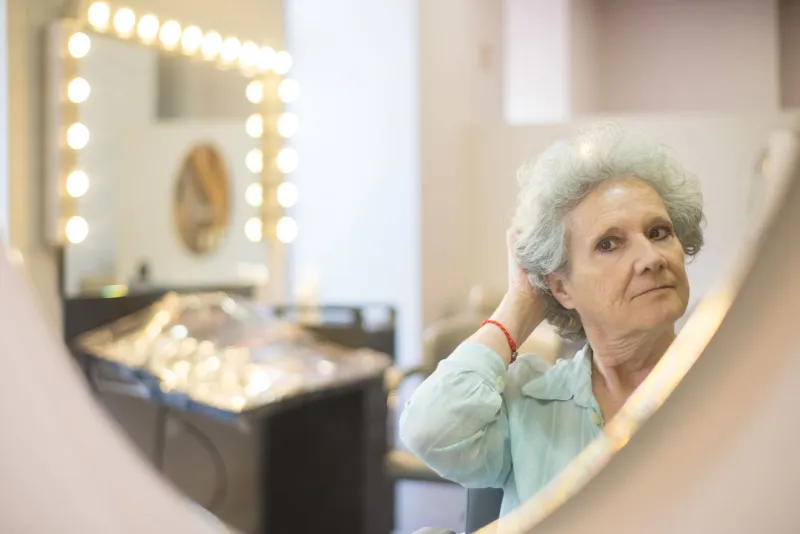
The Grow-Out Is Part of the Cut: Designing a Shape That Ages Well
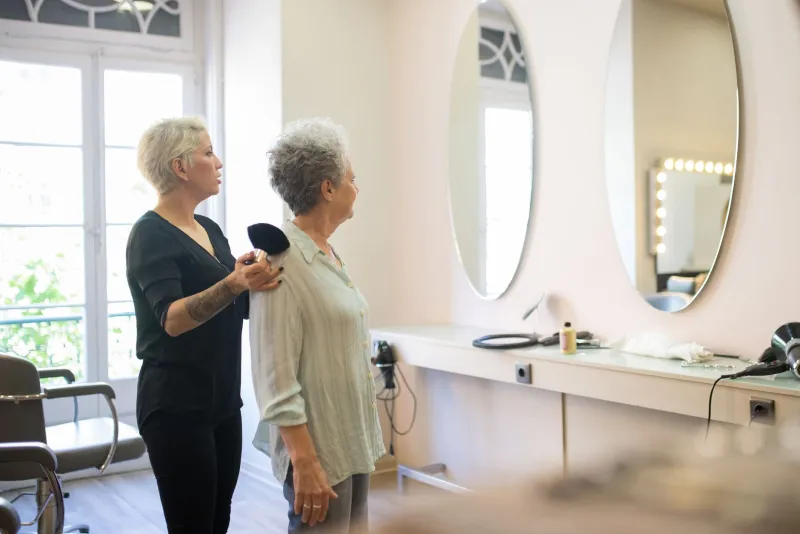
There is a moment in every salon appointment when the cape comes off, the mirror turns, and everything looks exactly right. The shape is crisp, the ends are polished, and the styling has that fresh-from-the-chair finish. It is a great moment. It is also just the opening scene.
The real test of a haircut happens later — after a few washes, a few workouts, a few weeks of real life. That is when growth starts to change the surface of the design. A bang that sat perfectly may start to skim the brow. Face-framing pieces may begin to feel disconnected. The perimeter may lose its clean line. None of this means the cut was wrong. It means the cut was designed for one day instead of the weeks that follow.
At Naomi & Company Hair Design, we like to think of grow-out as part of the blueprint, not a failure of the finished look. A strong signature shape should have a plan for week two, week six, and the point where you are ready to sit in the chair again.
Salon-Day Hair vs. Real-Life Hair
Salon-day hair is a snapshot. It is styled with intention, often with a little more product and a little more lift than most of us use on a Tuesday morning. Real-life hair has to survive humidity, pillowcases, ponytails, and the way you actually touch it during the day.
That is why the most useful question in a haircut consultation is not only what you want today. It is what you want the cut to do as it grows. Hair grows roughly half an inch per month for most people, which means the shape begins to shift almost immediately. The areas that change first are usually the ones closest to the face and the perimeter. If those areas are designed with growth in mind, the cut keeps its intention much longer.
Start With Weight, Not Length
Length is the easiest thing to talk about, but weight distribution is what makes a haircut hold its shape. A stylist can remove length and still leave too much weight in the wrong place, which creates a heavy bottom that collapses or flips outward as it grows. On the other hand, too many layers can make fine hair look thinner and cause the ends to string together after a few weeks.
The better conversation is about where the weight sits and how it will move later. Ask your stylist to show you where the bulk has been removed and where it has been preserved. For thicker hair, internal weight removal can keep the shape from turning into a triangle. For finer hair, a more precise perimeter and gentle face-framing can protect density while still giving movement. The goal is a cut that does not depend on daily round-brush work to look deliberate.
Face-Framing That Keeps Its Intention
Face-framing is often the first part of a haircut to show its age. Those pieces are shorter, so a small amount of growth changes how they sit. If they are cut too short or too separated from the rest of the shape, they can start to look like an afterthought by week four.
A grow-out-friendly approach uses softer transitions and gradual graduation around the face. Instead of a hard, disconnected piece, your stylist can build a face-frame that blends into the perimeter and continues to look intentional as it lengthens. For bangs, the plan matters even more. Curtain bangs, soft fringe, and fuller bangs all grow out differently. Ask how the bang will sit at week three, whether it will need a quick trim before your next full appointment, and how to style it when it starts to feel too long. A two-minute bang trim is a much easier maintenance move than trying to fix them at home.
The Perimeter Is the Blueprint
The perimeter — the neckline, the sides, and the area around the ears — sets the silhouette. It is also where grow-out becomes most visible. A sharp bob depends on a clean line, but a slightly softened perimeter can age more gracefully without losing its shape. A pixie needs strategic length at the nape and around the ears so it does not turn into a mullet-in-progress. Longer cuts need perimeter placement that supports the way you wear your part and tuck your hair.
This is not about choosing a boring cut. It is about choosing a cut with good bones. A stylist can create a strong perimeter that still has enough softness to look polished as it grows. The difference is in the details: a slightly angled neckline, a softer corner near the jaw, or a face-frame that connects to the longer layers instead of sitting on its own island.
Texture Is the Wild Card
Texture changes everything. Curly hair loses length to shrinkage, wavy hair can develop a stronger pattern as it grows, and straight hair may fall flatter once the salon styling wears off. A cut that looks balanced on straight, smooth hair may behave very differently when your natural texture returns.
If you have curls or waves, ask for the cut to be done in a way that respects your pattern — many stylists cut curly hair dry or curl-by-curl for this reason. If your hair is straight and fine, ask how the shape will hold up without a blowout. The right answer is not always more product. Sometimes it is a smarter internal shape, a slightly stronger perimeter, or a different approach to layering.
The Check-In Conversation to Have
Before your next appointment, bring a few practical questions. Where will this cut grow out first? What will need adjustment at week six? How should I style it as it gets longer? Do I need a maintenance visit for bangs or perimeter cleanup, or can I wait for a full appointment? A good stylist will welcome these questions because they turn a one-day service into a plan.
You can also ask for a shape check rather than a full redo. Sometimes a small adjustment to weight or face-framing is enough to bring the cut back to life without losing the length you have gained. That is the quiet advantage of designing for grow-out: maintenance becomes more strategic and less reactive.
Between Visits, Keep the Shape Intentional
A polished grow-out is not only the stylist’s job. The way you style and care for your hair between visits matters. Use a heat protectant when you blow-dry, keep ends conditioned, and avoid cutting bangs or face-framing at home. If the shape starts to feel heavy, try changing your part or using a small amount of styling cream to redirect the front. Sometimes a slight shift in how you wear the cut is enough to carry it through the awkward stage.
A haircut is not a single day. It is a relationship between your shape, your texture, and your routine. When the design accounts for week six, the look stays intentional long after the salon cape comes off.