When the Forecast Wins: Keeping Your Haircut Intact Under Winter Accessories

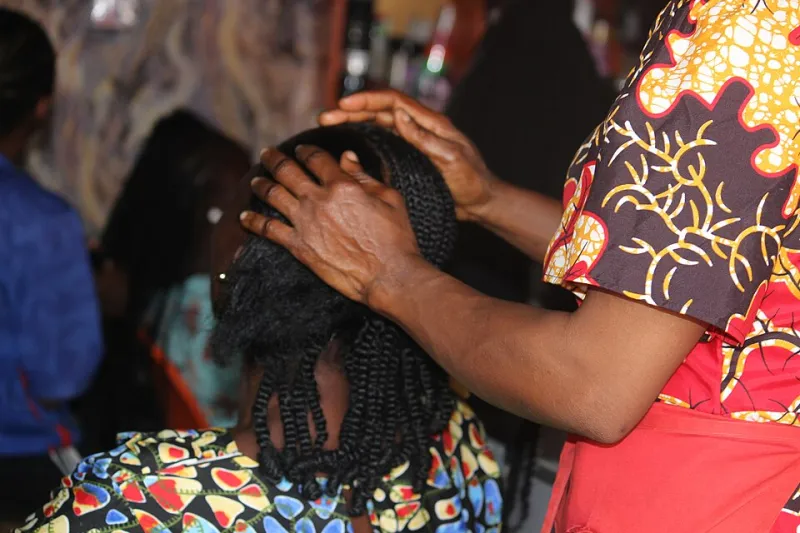
Photo: Tobias ToMar Maier, CC BY-SA 4.0, via Wikimedia Commons
There is a particular kind of disappointment that arrives when you take off a winter hat and catch your reflection in a store window. The cut was sharp when you left the house. Now the roots are pressed flat, the ends are fuzzy with static, and the whole shape has the energy of a nap. Cold weather does not have to mean surrendering your signature look for four months. It just means treating hats and scarves as part of the styling plan instead of an afterthought.
Start With the Fabric, Not the Forecast
The biggest culprit is not the hat itself. It is what the hat is made of and how it sits against your hair. Rough wool and stiff acrylic create friction, which lifts the cuticle and turns smooth ends into a halo. They also encourage static, especially in heated rooms where the air is dry. If you love a wool beanie, look for one with a silk, satin, or smooth polyester lining. That lining is the difference between a hat that glides on and one that drags your style backward.
Berets deserve a mention because they are often tighter than they look. A soft wool beret with a lined band is easier on a polished shape than a stiff, unstructured version. Scarves are their own category. A chunky knit wrapped high around the neck can push the hair at your nape into a shelf. A smoother cashmere or fine-gauge scarf sits closer to the body and leaves the back of your cut alone. In practical terms, the accessories that cooperate are the ones with less texture where they meet your hair.
The Two-Minute Prep That Buys You Hours
A little prep before you leave the house makes the biggest difference. Start with hair that is completely dry. Putting a hat over damp roots is basically asking for a dent that will not budge until your next shampoo. Once the hair is dry, add a light layer of volume or texture support at the root. A mousse, a root-lift spray, or a small amount of styling cream applied away from the scalp works well. Heavy oil near the roots will only make the flattening worse.
If static is a recurring issue, run a dryer sheet lightly over the inside of your hat before you put it on, or keep an anti-static spray in your bag. A quick pass with a cool shot from your blow-dryer can also set the root direction before the hat goes on. For fine hair, a little dry shampoo at the crown adds grip so the hair can bounce back after the hat comes off. For thicker hair, a smoothing serum on the ends keeps the finish polished without weighing down the shape.
Placement Is a Skill
How you put on a hat matters as much as what the hat is made of. Avoid pulling a beanie straight down over your head like a shower cap. Instead, place it at the back first, then ease it forward. This keeps the front hairline from being dragged flat and leaves a little room at the crown. If you wear a beret, angle it rather than centering it. The angle gives the style some intention and keeps the pressure off the top of your part.
Scarves should be wrapped with the same care. If your hair is long enough to tuck, tuck it inside the scarf rather than letting it rub against a wool coat collar. If you are wearing a high collar or a turtleneck, arrange your hair over the collar instead of under it. That small move prevents the dented, pushed-up look at the nape that makes a good cut seem sloppy by lunchtime.
Build a Small Reset Kit
A polished finish after a commute is not about redoing your hair. It is about having the right few things within reach. Keep a mini kit in your desk drawer or bag: a small brush or comb, a travel-size dry shampoo, a light smoothing serum, a couple of anti-static sheets, and a small clip. At the office, flip your head gently, shake the roots loose, and use your fingertips to lift the crown. A puff of dry shampoo at the front hairline absorbs oil and adds enough texture to bring the shape back.
If the ends look fuzzy, smooth a tiny amount of serum over them, not at the root. If your part has disappeared, use the clip to set it while you answer a few emails, then remove it before you stand up. For an evening out, a quick blast of cool air from the bathroom hand dryer is not ideal, but a light mist of flexible hairspray and a finger-comb can restore the outline of the cut.
The Cut That Cooperates
The easiest winter hair plan starts in the salon chair. Tell your stylist how often you wear hats and scarves and where they tend to sit. A good cut can be designed with that in mind, whether that means leaving a little more weight at the front, softening the ends so they do not crimp, or choosing a shape that recovers quickly after being pressed down. At Naomi & Company Hair Design, we would rather build a cut around your real winter routine than pretend you are going to walk through January without a beanie.
Winter accessories are not the enemy of a polished haircut. They are just part of the conditions. Choose smoother fabrics and lined hats, prep the roots before you leave, place the hat with a little intention, and keep a small reset kit nearby. Your signature shape can survive the cold. It just needs a truce, not a surrender.