When the Air Changes, So Does Your Hair: A Weather-Ready Plan for a Polished Finish
American weather can change your hair faster than a group chat changes plans. A muggy July in Atlanta, hard tap water in parts of the Midwest, and the forced-air heat of a January office all ask different things of your hair. The goal is not to build a new routine every season. It is to make a few small adjustments so your polished finish holds up between salon visits.
Humidity: Give Frizz Some Direction
When the air is heavy, hair tends to swell and grab moisture wherever it can. Fighting every strand usually leads to more friction and more frizz. Instead, start with a cut that has some shape built in, then support it. Use conditioner every wash, apply a leave-in or lightweight styling cream to damp hair, and dry with a concentrator if you want a smooth surface. A cool shot at the end helps set the finish. Try not to brush dry hair over and over; smooth it with your hands or a wide-tooth comb and let the product do some of the work. In high humidity, a little flexibility goes further than a tight, spray-heavy hold.
Hard Water: When the Shower Leaves a Film
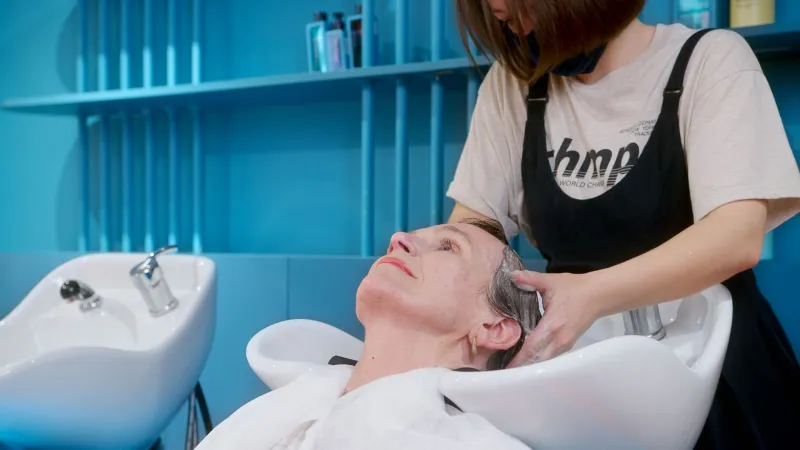
Mineral-heavy water can make clean hair feel coated, dull, or tangly. If you notice buildup faster than usual, ask your stylist whether a clarifying or chelating shampoo is a good fit for your hair and color. Use it sparingly—once every week or two, or as needed—and follow with a moisturizing conditioner. A shower filter can help, but it is not a magic fix. If you color your hair, check with your stylist before adding a strong clarifier to your routine. Sometimes a salon gloss or a professional reset is the better move, especially before a big event.
Dry Indoor Heat: Static, Flyaways, and Winter Frizz
Indoor heating pulls moisture from the air, and your hair feels it. You may see static, flyaways, or ends that suddenly look rougher than they did in October. A humidifier in the room where you spend the most time can make a real difference. So can washing less often, using a richer conditioner, and adding a small amount of leave-in cream to damp ends. Keep the dryer on medium heat rather than the highest setting, and finish cool. For static, a light finishing cream or a quick pass with a dryer sheet can calm things down, but do not pile on oil—too much can weigh hair down and make it look less polished, not more.
Time Your Salon Visits Around the Calendar
Your salon schedule can work with the weather instead of against it. Book a gloss or deep-conditioning treatment before a stretch of dry indoor heat, or before a humid vacation if you want smoother texture. If you are planning a color change, ask how it will behave in the water where you live. And if your cut starts feeling heavy or wide at the exact moment the seasons turn, that is useful information for your stylist. Mention it at booking so the appointment can be planned around the result you want, not just the date on the calendar.
A Short Troubleshooting List
- Frizz: fewer dry-brush passes, more leave-in on damp hair, and a cool-shot finish.
- Dullness: check for product buildup, ask about a clarifying wash or salon gloss, and do not skip conditioner.
- Static: add moisture to the air, use a light finishing cream, and avoid over-washing.
- Flat roots: cleanse the scalp well, dry roots first, and keep heavy products on the ends.
- Tangles: condition in the shower, detangle wet hair with a wide-tooth comb, and use a leave-in mist before styling.
Keep a Small Weather Kit
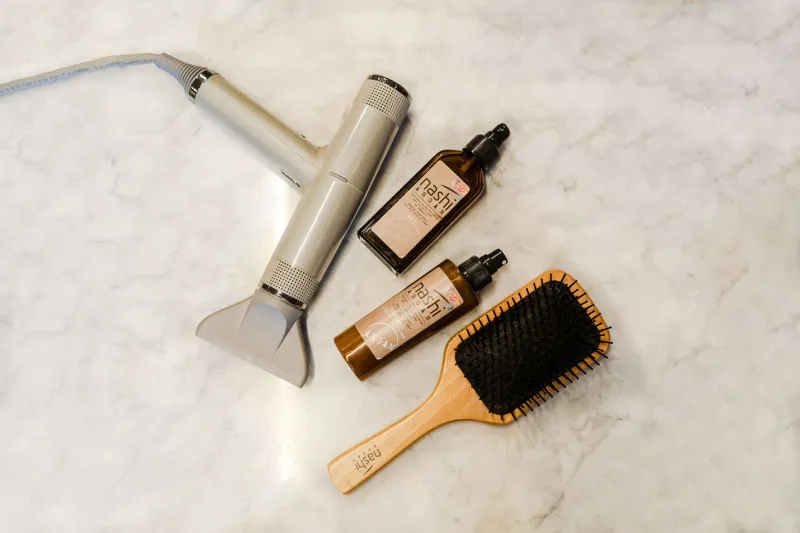
You do not need a suitcase of products. A travel-size finishing serum, a small mist, a wide-tooth comb, and a soft hair tie can handle most mid-day shifts. At Naomi & Company Hair Design, we would rather help you build a short list that works than sell you a shelf of maybes. Your hair will still have its own forecast. A little planning just keeps the finish looking intentional.