Healthy Hair Has a Foundation: How Scalp Care Fits Into Your Routine
Shiny, well-behaved hair gets plenty of attention at the ends. We notice the smooth blowout, the light-catching gloss, the way a good cut falls into place. But the quiet foundation behind all of that is the scalp. It is skin, after all, and it deserves the same thoughtful care we give our faces and our strands.
At Naomi & Company Hair Design, scalp health comes up more often than you might expect. Clients will ask why their roots feel flat, why flakes show up after a dry-shampoo stretch, or why their hair seems to lose its bounce between appointments. Sometimes the answer is not a new styling tool or a stronger hold product. Sometimes it is a simpler routine that starts at the top of the head.
The scalp is part of the hair story
Your scalp produces oil, sheds dead skin, and collects residue from shampoo, conditioner, dry shampoo, and styling products. That is normal. The trouble starts when buildup sits around the follicle and the skin stays out of balance. Roots can look dull or weighed down, flaking becomes more noticeable, and the scalp may feel itchy or tight.
A healthy scalp does not guarantee perfect hair, but it gives hair a better place to grow and gives styling a cleaner canvas. Think of it as the difference between starting a blowout on clean, comfortable skin versus starting on a scalp that feels congested and irritated. The finished look tends to behave better when the foundation is cared for.
Exfoliation: a little, not a lot
Scalp exfoliation has become a popular topic, and for good reason. A gentle scrub or a liquid exfoliant can help lift dead skin and product residue that regular shampooing may leave behind. But more is not better. Most people do well with exfoliation once a week or every other week, depending on how much product they use and how他们的 scalp feels.
Use a light hand. Scrubbing aggressively can irritate the skin, especially if you already have flakes, tenderness, or sensitivity. If you are trying a new scalp scrub, patch test first and skip it if your scalp feels raw or inflamed. Exfoliation should feel like a reset, not a workout.
Hydration and washing habits
Hydration for the scalp is not about drenching it in heavy oil. It is about keeping the skin comfortable and avoiding habits that strip it. Wash with lukewarm water rather than hot, and focus shampoo at the scalp rather than scrubbing the ends. Let conditioner do its work from the mid-shaft down, and rinse thoroughly.
If you rely on dry shampoo, give your scalp a real wash day before the residue piles up. Dry shampoo is a great between-appointment tool, but it is not a substitute for cleansing. A lightweight scalp serum or a soothing treatment can help with dryness, but keep it simple. A few drops massaged in gently is usually enough.
What salon scalp treatments add
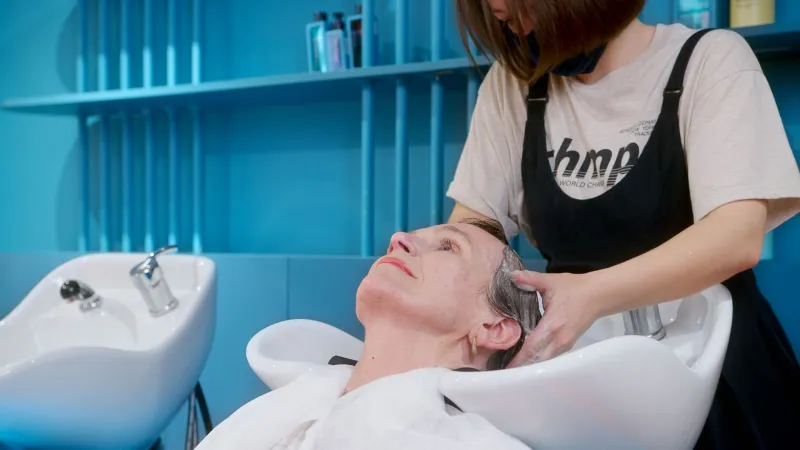
A professional scalp treatment can be a lovely addition to a regular appointment. At the salon, a stylist can assess the scalp, use exfoliating or calming products, and pair the treatment with a thorough cleanse and massage. It is not a medical cure, and it is not a replacement for a dermatologist if something feels wrong, but it can be a practical reset for buildup and a relaxing pause in a busy week.
Salon treatments are also useful because someone else can see what you cannot see easily at home. A stylist can point out product residue, dry patches, or areas where you might be overdoing it with hot tools or tight styles. That feedback is often more helpful than adding another product to the shelf.
A realistic at-home plan
A good scalp routine should fit into your actual life. Start with one wash day that includes a gentle scalp cleanse and a thorough rinse. Add exfoliation once a week or every other week if your scalp tolerates it. Keep a lightweight serum or soothing mist on hand for dry days, and massage it in for a minute or two rather than treating it like a major project.
Clean your brushes and combs regularly, and wash pillowcases often. If you use dry shampoo, plan a real wash day before the buildup gets noticeable. And give yourself permission to keep the routine short. Consistency matters more than a ten-step ritual you abandon after two weeks.
When to loop in a pro
Ask your stylist for help if you notice persistent flakes, redness, bumps, pain, or hair thinning. Those symptoms can have many causes, and a stylist can help you sort out product buildup and routine issues, but they may also recommend a dermatologist or healthcare provider. That is not a failure of your routine. It is just good care.
For everyday scalp maintenance, a stylist can also help you choose products that match your hair type and styling habits. If you use a lot of dry shampoo, color, or heat, your scalp may need a different rhythm than someone with a minimal routine. The goal is not perfection. It is comfort and balance.
The payoff
The best part of scalp care is that it tends to show up in the rest of your hair. Roots can feel cleaner and lighter, styles can hold better, and shine looks more natural when the scalp is not congested. It is the quiet secret behind hair that looks polished without looking overworked.
If you are not sure where to start, bring it up at your next appointment. A simple check-in can help you build a routine that makes sense for your hair, your schedule, and the way you actually live.