Drawer Discipline: The Five-Minute Reset That Changes Your Hair Finish
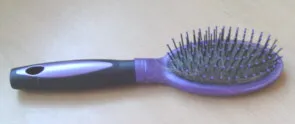
Photo: User:Saintswithin, Public domain, via Wikimedia Commons
Most of us have a bathroom drawer that tells a story. There is the round brush from a blowout phase, the wide-tooth comb from a vacation, the tiny teasing brush that seemed essential at checkout, and the paddle brush we actually use every day. It is not a glamorous collection, but it is the one doing the daily work between salon visits. At Naomi & Company Hair Design, we talk a lot about shape, color, and care. The tool drawer is part of that conversation, because a beautiful cut can only hold its finish if the things you run through your hair are up to the job.
This is not a call to buy a whole new set. It is a five-minute reset. A small, honest look at what you own, what it is doing, and what deserves to stay.
Start With the Brush You Reach For Most
Every drawer has a workhorse. For many clients, it is a paddle brush or a vent brush that gets used on autopilot. Take that one in your hand and look at it the way you would look at a pair of everyday shoes. Are the bristles bent, melted, or missing? Is the cushion soft but not smashed? Does the handle feel stable, or does it flex in a way that makes you grip harder? Small wear matters. A brush with splayed bristles can snag, create static, and distribute natural oils unevenly. None of that ruins your hair, but it works against the smooth, intentional finish you are after.
The quick fix is not complicated. Pull loose hair out of the bristles weekly, and wash the brush about once a month with a little gentle shampoo and warm water. Rinse well, press out excess water, and dry it bristle-side down so water does not sit in the cushion. If the handle is wood, do not soak it. A quick wash and a thorough dry are enough.
Match the Tool to the Job, Not the Aesthetic
A pretty brush is nice. A useful brush is better. The shape and bristle type should match what you are asking your hair to do. A round brush is for tension and bend during a blowout. A vent brush is for moving air through damp hair quickly. A paddle brush is for smoothing and everyday detangling. A wide-tooth comb is for wet hair, curls, and gentle detangling. A fine-tooth comb is for parting, sleek edges, and precise finishing.
Texture matters here. Fine hair can get flattened by a heavy boar-bristle brush, while thick hair may need a sturdier tool with more space between bristles. Curly and coily hair often does best with a wide-tooth comb or a brush designed for wet detangling, used from the ends upward. None of this is about rules. It is about reducing friction. A tool that fights your texture will win the fight, and your finish will show it.
The Cleaning Calendar That Actually Works
You do not need a color-coded chart. You need two habits: weekly hair removal and monthly washing. If you use a lot of styling product, wash more often. If you have a household where brushes get shared, stop sharing them. Hair tools pick up oils, product residue, dust, and lint. A clean brush glides better and leaves less behind.
Combs need attention too. Look at the teeth for rough seams or cracks. A cracked tooth can catch hair and cause breakage, especially on wet hair. A fine-tooth comb can last for years if it is smooth and clean. A wide-tooth comb should be replaced when the teeth feel rough or start to flex too much.
Replacement Is Not Failure
Hair tools are consumables with long lives. They are not heirlooms, and they are not meant to last forever. Replace a daily brush when the bristles are bent or missing, the cushion is cracked, the handle is damaged, or the brush has a smell that washing does not fix. Replace a round brush if the barrel is dented or the bristles have melted from heat. Replace a comb if a tooth is broken or the edges feel sharp.
A general timeline helps: daily brushes often do their best work for six to twelve months, depending on hair type, product use, and how often they are cleaned. Combs can last longer, but they still deserve a look every few months. If you cannot remember when you bought a tool, that is usually a sign it is time to retire it.
A Five-Minute Drawer Reset
Empty the drawer onto the counter. Keep the tools you used in the last two weeks. Clean them. Give each one a job. If two brushes do the same thing, keep the one in better shape. If a tool is uncomfortable, too small, too big, or always snags, let it go. Aim for three or four reliable tools rather than a crowded drawer of maybes. Then put them back where you can reach them without digging.
One more step: ask your stylist what they would use for your hair at home. At Naomi & Company, we are happy to talk through the difference between a smoothing brush and a vent brush, or why a wide-tooth comb might be a better choice for your texture than the brush you have had since college. The salon finish is a collaboration. Your tools are the part that keeps it going.
A good hair day is not only created in the chair. It is protected in the small, unglamorous moments at home. Give your brushes and combs a little discipline, and the rest of your routine gets quieter and more polished.